
Organic food lovers and animal rights activists alike are celebrating after a domino effect of large players doing away with the growth inducing drug Zilmax. First, Tyson Foods says they’ll no longer accept cattle with, Zilmax, followed by Zilmax producer Merck announcing today they would stop selling it in the US. What’s all the fuss about? Agri-view outlined that the meat processor giant sent a letter to cattle feeders this month stating they’re taking action after noticing cattle struggling to move and walk, with some exceeding 1,300 pounds.
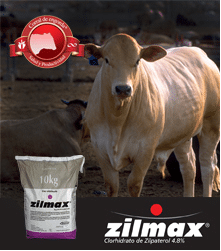
Photo Courtesy: The Sleuth Journal
The letter stated:
“We do not know the specific cause of these problems, but some animal health experts have suggested that the use of the feed supplement Zilmax, also known as zilpaterol, is one possible cause. Our evaluation of these problems is ongoing, but as an interim measure we plan to suspend our purchases of cattle that have been fed Zilmax.”
So what does all this mean for supply and demand in the beef market, and their corresponding futures – live cattle and feeder cattle? Apparently not much, with both essentially unchanged today at +0.22% and +0.39%.
But not everyone is so sure this isn’t a big deal. At least one meat trader we work with put on some long positions due to this news. The logic: Tyson stated they would stop accepting cattle with Zilmax after September 6th, but then what happens to the cattle who have been fed Zilmax that aren’t slaughter ready by the 6th of September? It would seem there would be a rush to sell/slaughter any and all of your cattle with Zilmax before that date, leading to an abnormal amount of supply coming onto the market.
Seems logical… even if the futures markets aren’t reflecting it today. We’ll see how this plays out over the next three weeks (til the 6th), if at all.