
Our weekly newsletter is out, and we’re taking a closer look at the bread and butter of the managed futures world: trend following. It was back in June that we said the coming month was make or break for managed futures. The trend decidedly down across stocks, commodities, and the rest of the “risk on” crowd; and we saw the asset class (and trend following in particular) at risk of losses should there be a “risk on” reversal.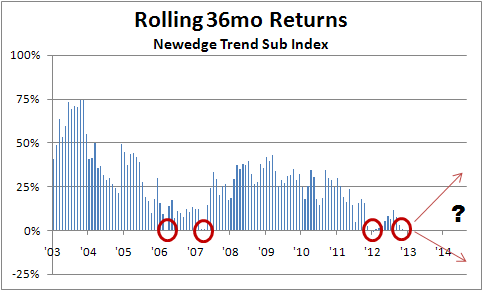
Maybe we should have kept our mouths shut, because a trend reversal was just what happened – with a 10%+ rally in US stocks (S&P 500) over the next few months and similar “risk on” rallies across other markets. Next thing anyone knew, the ups and downs of the summer were over and managed futures, per the Newedge CTA index sat down nearly -3% for the year as of the end of October.
It’s all led to more than a couple people we’ve talked to recently uttering those words we actually love to hear: “is trend following dead”?
These are fighting words in most managed futures circles, but every now and then, this bandwagon starts up. Everyone has a different reason for the proclamation. The space has gotten too crowded, they’ll argue, or the biggest players have become too dominant. Others will say that high-frequency trading has killed traditional market dynamics, while others point to government intervention and the always-on monetary printing press as culprits in underperformance. But has the strategy really lost its luster? Click through to read the full piece.